How to Build a Spice Pantry from Scratch
Eight spices cover the vast majority of recipes a home cook will ever make: black pepper, turmeric, cumin, cinnamon, chilli, paprika, ground coriander and garlic powder. Buy them in small quantities, store them cool and dark in airtight jars, and they'll do more for everyday cooking than a rack of twenty stale ones. The next five worth adding once you cook more: garam masala, cardamom, ground ginger, nutmeg and mustard seeds.
If you've ever stood in the spice aisle feeling overwhelmed by the sheer number of options, you're not alone. Building a spice pantry can feel daunting, dozens of jars, unfamiliar names, and no clear idea of where to start.
The good news is that you don't need dozens of spices to cook brilliantly. A carefully chosen collection of eight to ten essentials will cover the vast majority of recipes you'll encounter. Here's how to build that collection thoughtfully, so every jar earns its place.
The Principles of a Good Spice Pantry
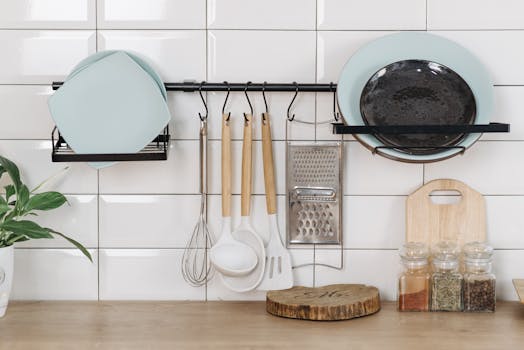
Before buying anything, it helps to understand three guiding principles:
1. Buy what you'll actually use. A spice you never reach for is a waste of money and shelf space. Start with versatile spices that appear across many cuisines and recipes.
2. Quality over quantity. Five excellent spices will serve you better than twenty mediocre ones. Fresh, high-quality spices have dramatically more flavour and aroma than older, cheaper alternatives.
3. Build gradually. Don't buy everything at once. Start with the essentials, cook with them, and add new spices as your confidence and curiosity grow.
The Essential Eight
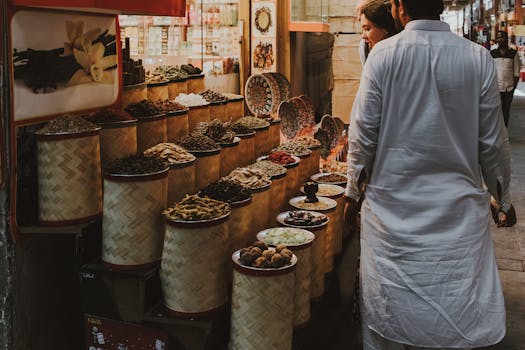
These are the spices that belong in every kitchen, regardless of what cuisine you prefer cooking.
1. Black Pepper
The most fundamental seasoning after salt. Freshly ground Bold Black Pepper adds heat, depth, and complexity to virtually everything. Buy whole peppercorns and use a grinder, the difference compared to pre-ground is enormous.
2. Turmeric
Essential for curries, rice dishes, soups, and an increasing number of modern recipes. Golden Turmeric provides colour, warmth, and a host of health benefits. It's one of those spices you'll reach for far more often than you expect.
3. Cumin
Warm, earthy, and slightly smoky. Cumin appears in Indian, Mexican, Middle Eastern, and North African cooking. Buy both whole seeds (for tempering and toasting) and ground (for convenience in everyday cooking).
4. Cinnamon
Far more versatile than most people realise. Ceylon Cinnamon works in baking, porridge, and sweet dishes, but it's equally brilliant in curries, tagines, and spiced rice. Choose Ceylon for its delicate, complex flavour.
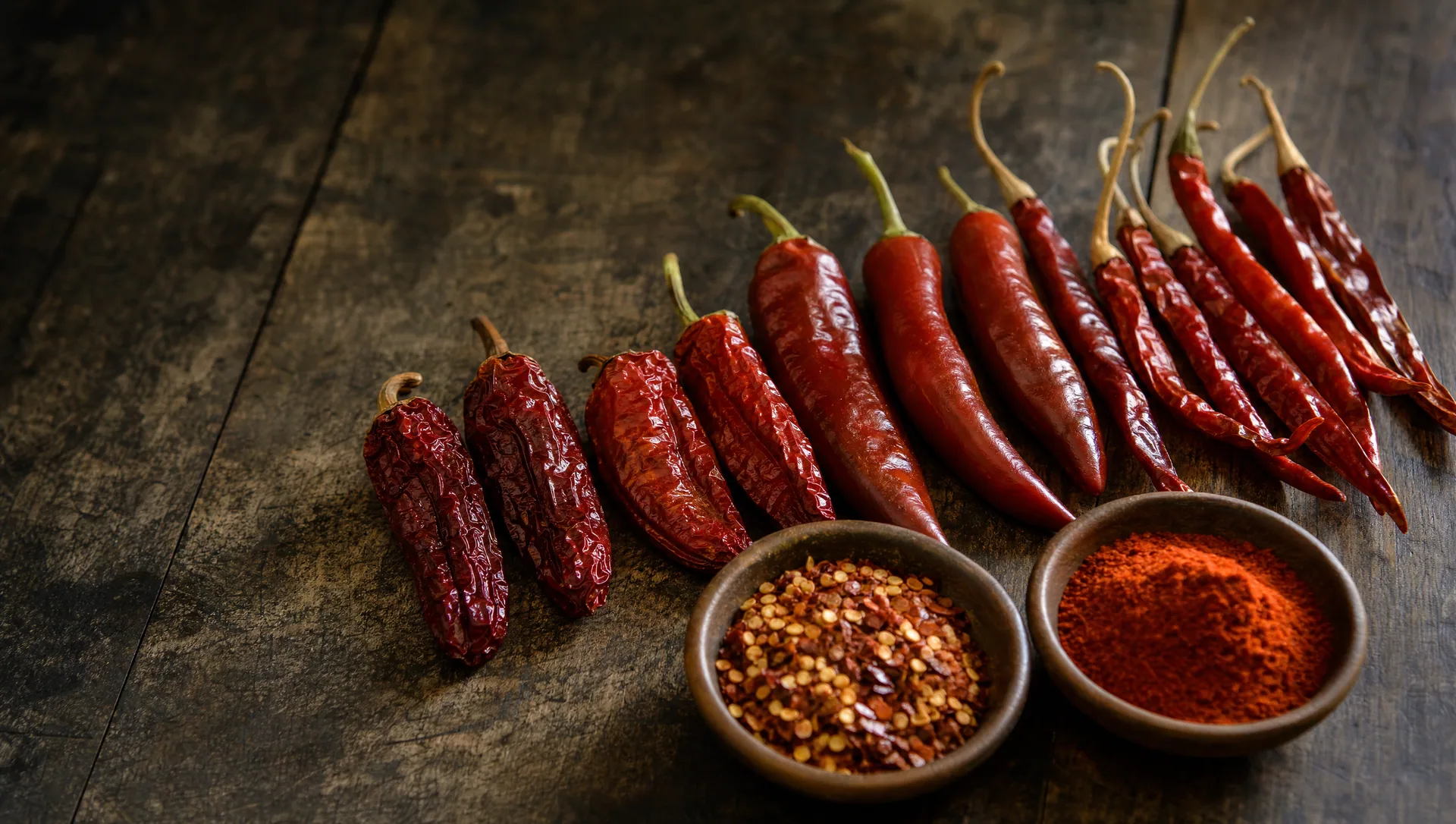
5. Chili Powder or Flakes
Essential for adding heat. Fire Chili Powder gives you clean, flavourful heat that's easy to control. Chili flakes offer a different texture and a more gradual burn, ideally, have both.
6. Paprika
Sweet or smoked paprika adds colour and a gentle warmth without significant heat. It's indispensable for Hungarian dishes, Spanish cooking, and any recipe where you want a rich red colour.
7. Coriander (Ground)
Bright, citrusy, and gently sweet. Ground coriander pairs beautifully with cumin and is essential in curry bases, spice rubs, and Middle Eastern cooking. Often underestimated, always necessary.
8. Garlic Powder
While fresh garlic is usually preferable, garlic powder has its place, spice rubs, quick seasoning blends, and recipes where you want garlic flavour without the texture. It's a useful pantry staple.
The Next Five
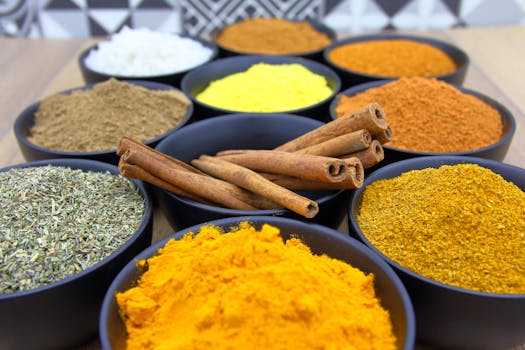
Once you've mastered the essentials, these are the natural next additions:
9. Garam Masala or Curry Blend
A good spice blend saves time and delivers complex flavour in a single scoop. Our Signature Curry Blend is a well-balanced starting point that works across many dishes, from quick weeknight curries to slow-cooked stews.
10. Cardamom
Floral, citrusy, and wonderfully aromatic. Cardamom elevates chai, rice dishes, baking, and meat marinades. Buy whole pods for the best flavour.
11. Ginger (Ground)
Warming and peppery, ground ginger is useful for baking, stir-fries, and marinades when fresh ginger isn't to hand.
12. Nutmeg
Best bought whole and grated fresh. A little nutmeg transforms white sauces, mashed potatoes, and baked goods.
13. Mustard Seeds
Tiny but mighty. Black or yellow mustard seeds add a nutty pop to Indian dishes, pickles, and roasted vegetables when fried briefly in hot oil.
How to Shop Smart
Buy small quantities
It's tempting to buy the large value bag, but ground spices lose potency within months. Smaller jars that you'll use up within six to twelve months are a better investment.
Read the labels
Look for single-ingredient spices without fillers, anti-caking agents, or added salt. The ingredients list for turmeric should read: turmeric. Nothing else.
Consider whole spices
Whole peppercorns, cinnamon sticks, cumin seeds, and cardamom pods last much longer than their ground equivalents. Grinding fresh takes seconds and the flavour improvement is significant.
Organising Your Pantry
Once you have your spices, set yourself up for success:
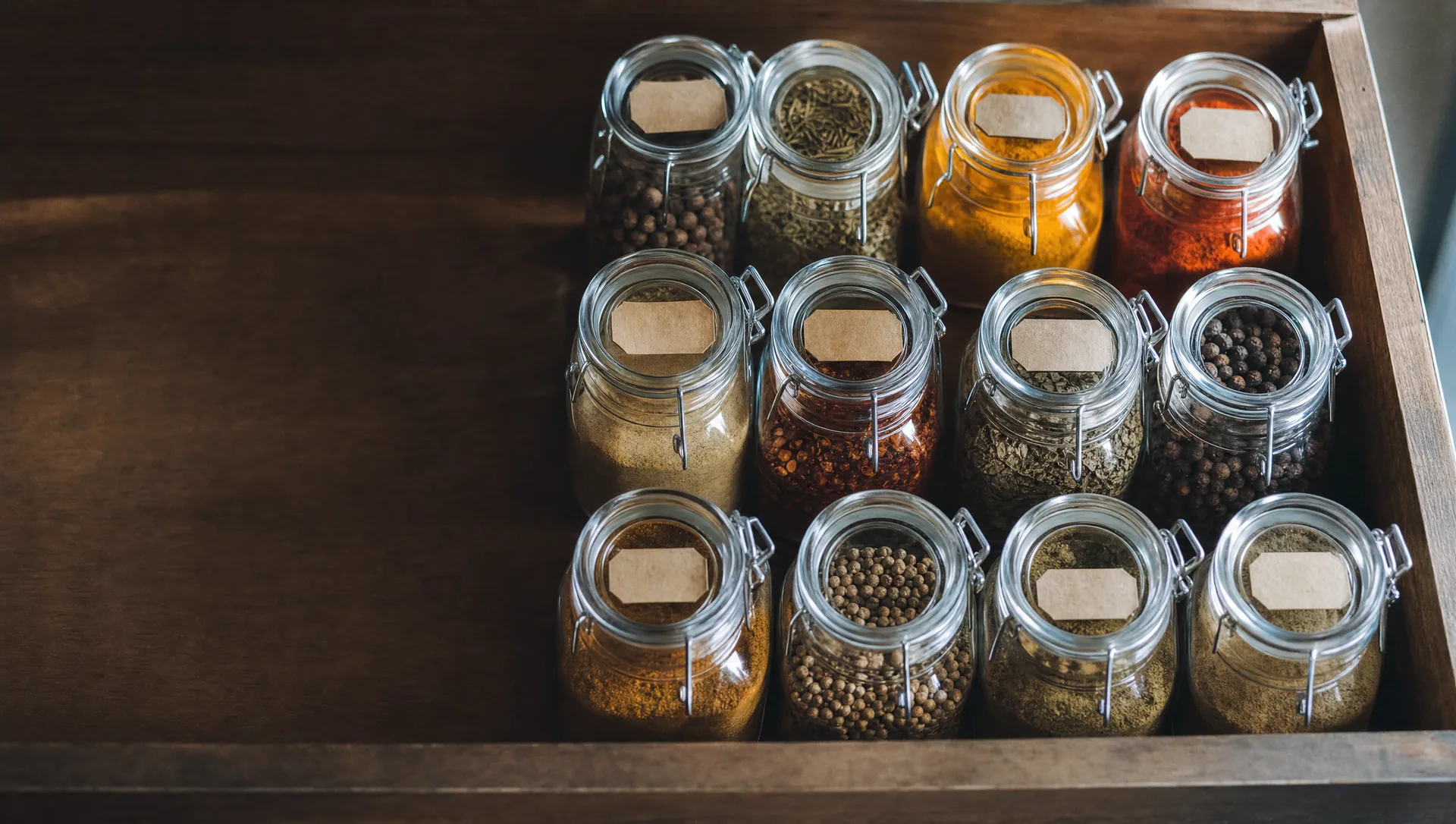
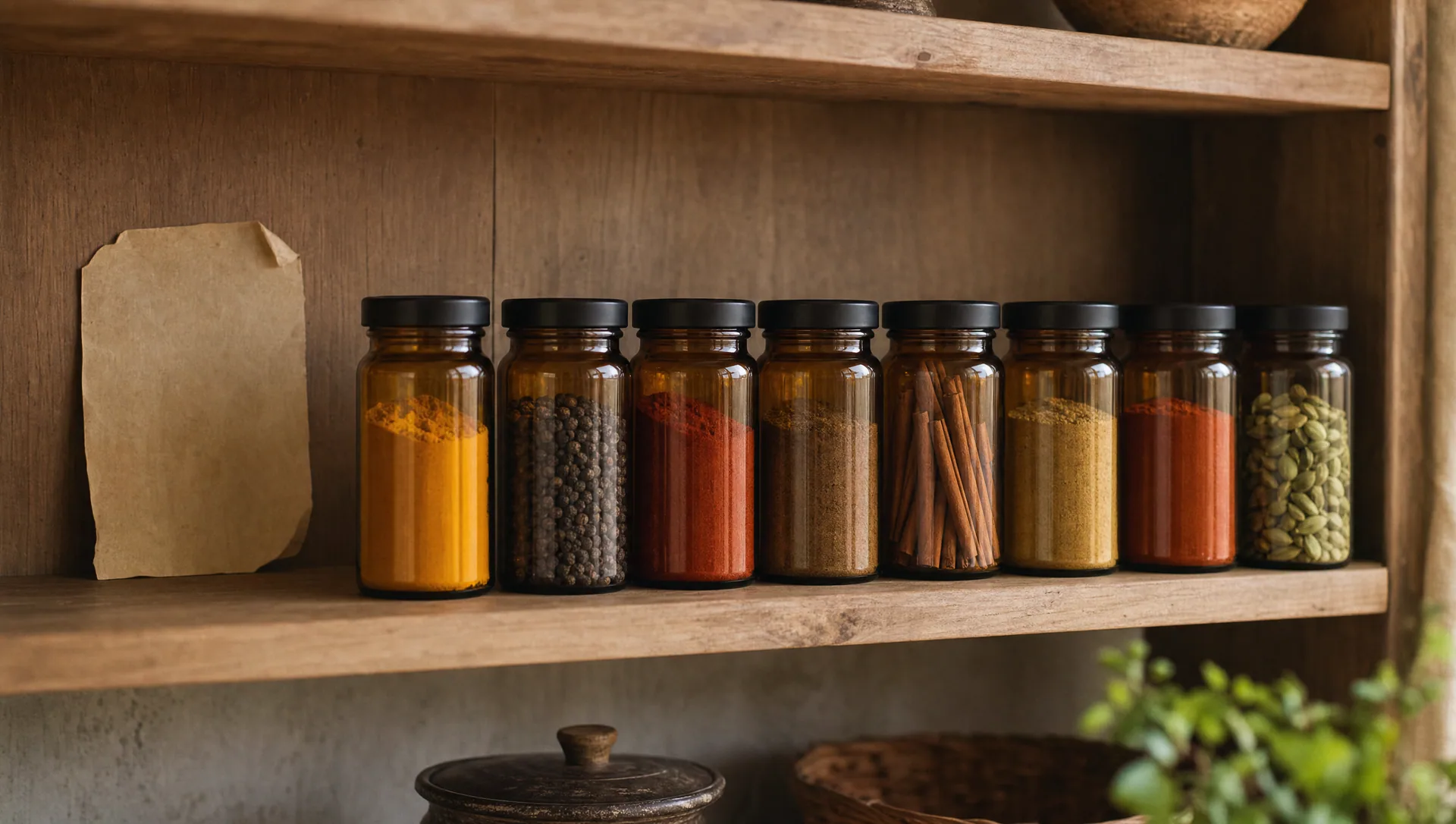
- Use uniform containers: Matching jars look tidy and make it easy to find what you need
- Label everything: Include the spice name and the date you opened it
- Store in a cool, dark place: A cupboard or drawer away from the hob is ideal
- Arrange by frequency of use: Put your most-used spices at the front
Start Cooking
The best spice pantry is one you actually use. Pick two or three recipes this week that stretch your comfort zone, a simple curry, a spice-rubbed roast chicken, or a batch of spiced biscuits. Each dish you make builds familiarity and confidence, and before long, reaching for the right spice will feel like second nature.
Build your pantry with Sun & Spice: Start with our Golden Turmeric, Bold Black Pepper, Ceylon Cinnamon, Fire Chili Powder, and Signature Curry Blend, the foundation of brilliant home cooking.